Tại bài viết này, IELTS CITY sẽ cùng các bạn giải đề thi thật IELTS Reading – The Placebo Effect kèm đáp án và phân tích chi tiết sau đây nhé!
Bài đọc
The Placebo Effect
Want to devise a new form of alternative medical treatment?
No problem. Here’s the recipe. As a practitioner, be warm, sympathetic, reassuring, and enthusiastic. Your treatment should involve physical contact, and each session with your patients should take at least half an hour. Encourage your patients to take an active part in their treatment and understand how their disorders relate to the rest of their lives. Tell them that their own bodies possess the true power to heal. Get them to pay you well. Describe your treatment in familiar words, but embroidered with a hint of mysticism: energy fields, energy flows, energy blocks, meridians, forces, auras, rhythms, and the like. Refer to the knowledge of an early age: wisdom carelessly swept aside by the rise of blind mechanistic science. Oh, come off it, you’re saying. Something like that couldn’t possibly work, could it?
Well, yes, it could—and often well enough to earn you a living. And a very good living if you are sufficiently convincing or, better still, really believe in your therapy. Many illnesses get better on their own, so if you are lucky and administer your treatment at just the right time, you’ll get the credit. But that’s only part of it. Some of the improvement really would be down to you. Not necessarily because you’d recommended ginseng rather than chamomile tea or used this crystal as opposed to that pressure point. Nothing so specific. Your healing power would be the outcome of a paradoxical force that conventional medicine recognizes but remains oddly ambivalent about: the placebo effect.
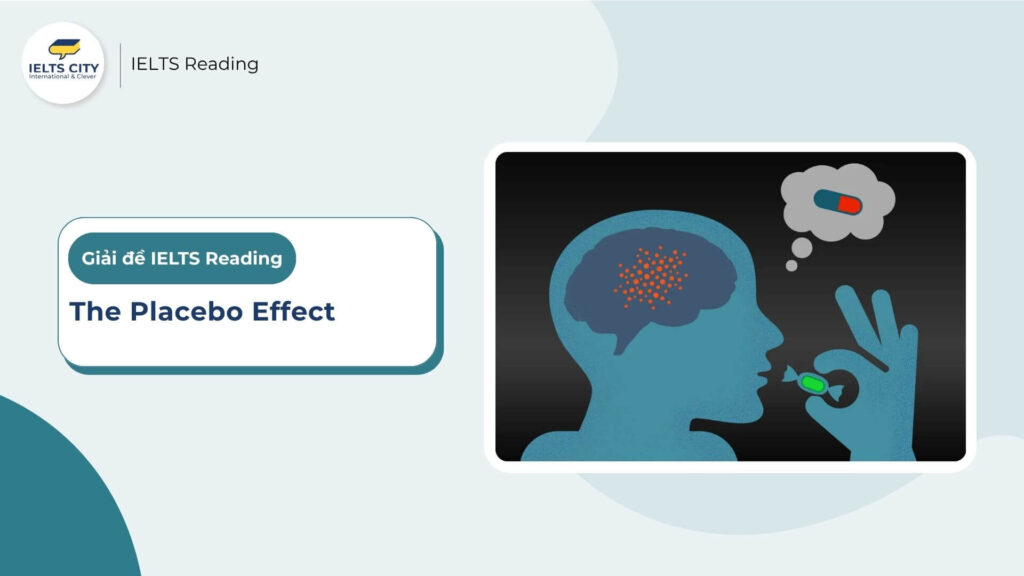
Placebos are treatments that have no direct effect on the body, yet still work because the patient has faith in their power to heal. Most often, the term refers to a dummy pill, but it applies just as much to any device or procedure, from a sticking plaster to a crystal. The existence of the placebo effect implies that even a complete fraud could make a difference to someone’s health, which is why some practitioners of alternative medicine are sensitive about any mention of the subject. In fact, the placebo is a powerful part of all medical care, orthodox or otherwise, though its role is often neglected and misunderstood.
At one level, it should come as no surprise that our state of mind can influence our physiology: anger opens the superficial blood vessels of the face; sadness pumps the tear glands. But exactly how placebos work their medical magic is still largely unknown. Most of the scant research to date has focused on the control of pain because it’s one of the…
The placebo effect can be abolished by a drug, naloxone, which blocks the effects of endorphins. Benedetti induced pain in a pressure cuff on the forearm. He did this several times a day for several days, using morphine each time to control the pain. On the final day, without saying anything, he replaced the morphine with a saline solution. This still relieved the subjects’ pain: a placebo effect. But when he added naloxone to the saline and blocked the endorphins, the pain relief disappeared. Here was direct proof that the relief of pain by a placebo is carried out, at least in part, by these natural opiates.
Though scientists don’t know exactly how placebos work, they have accumulated a fair bit of knowledge about how to trigger the effect. A London rheumatologist found, for example, that red dummy capsules made more effective painkillers than blue, green, or yellow ones. Research on American students revealed that blue pills make better tranquilizers than pink, a color more suitable for stimulants. Even branding can make a difference: if Aspro or Tylenol are what you like to take for a headache, their chemically identical generic equivalents may be less effective.
It matters too how the treatment is delivered. Decades ago, when the major tranquilizer chlorpromazine was being introduced, a doctor in Kansas categorized his colleagues according to whether they were keen on it, openly skeptical of its benefits, or took a “let’s try and see” attitude. His conclusion: the more enthusiastic the doctor, the better the drug performed. A recent survey by Ernst on doctors’ bedside manners turned up one consistent finding: Physicians who adopt a warm, friendly, reassuring manner are more effective than those whose consultations are formal and do not offer reassurance.
Warm, friendly, and reassuring are precisely what alternative treatment is all about, of course. Many of the ingredients of that opening recipe—the physical contact, the generous swaths of time, the strong hints of supernormal healing power—are just the kind of thing likely to impress patients. It’s hardly surprising then, that complementary practitioners are generally best at mobilizing the placebo effect, says Arthur Kleinman, professor of social anthropology at Harvard University.
Kiến thức cần nắm:
Câu hỏi
Questions 27-31
Complete each sentence with the correct ending. A-H below. Write the correct letter, A-H, in boxes 27-31 on your answer sheet.
27. An appointment with an alternative practitioner
28. An alternative practitioner’s explanation of their treatment
29. If alternative practitioners have faith in their treatment, they
30. Quite often, a patient’s illness
31. Conventional doctors are aware of the placebo effect and they
Answer Options:
A. Should be easy to understand
B. Can improve without treatment
C. Can cost the patient less
D. Ought to last a minimum length of time
E. Can require a range of different products
F. Can be described as serious
G. Should give it greater recognition
H. Should be able to get a high income
Questions 32-34
Choose the correct letter A, B, C, or D.
Write the correct letter in boxes 32-34 on your answer sheet.
32. In the third paragraph, the writer says that the placebo effect:
A) works best in tablet form.
B) is a new type of medical treatment.
C) is trusted more by some patients than others.
D) has a significant role in both alternative and conventional medicine.
33. A reference is made to anger and sadness in order to show that:
A) personal feelings can alter our physical condition.
B) some human behavior has no clear explanation.
C) placebos, like emotions, are experienced by everyone.
D) people find some physical reactions hard to control.
34. Fabrizio Benedetti’s research on endorphins indicates that
A) They are widely used to regulate pain.
B) They can be produced by willM thoughts
C) They can be neutralized by introducing naloxone.
D) Their pain-relieving effects do not last long enough.
Questions 35-40
Do the following statements agree with the claims of the writer in Reading Passage 3?
In boxes 35-40 on your answer sheet, write:
YES if the statement agrees with the claims of the writer
NO if the statement contradicts the claims of the writer
NOT GIVEN if it is impossible to say what the writer thinks about this
35. Scientists now have enough information to understand how the placebo effect becomes active in people.
36. As a result of experiments, some painkillers have been taken off the market.
37. Individual preference can have an impact on the effectiveness of different brands of headache tablets.
38. Doctors expressed a range of views on the drug chlorpromazine when it was first introduced.
39. Ernst’s study had a big influence on doctors’ behavior with patients.
40. Alternative practitioners work in a way that is likely to trigger the placebo effect.
Đáp án kèm phân tích
Questions 27 – 31: Complete each sentence with the correct ending (A–H)
27. An appointment with an alternative practitioner
- Đáp án: D (Ought to last a minimum length of time)
- Vị trí thông tin: Đoạn 1: “…each session with your patients should take at least half an hour.”
- Giải thích: “At least half an hour” (ít nhất nửa tiếng) tương ứng với “a minimum length of time” (khoảng thời gian tối thiểu).
28. An alternative practitioner’s explanation of their treatment
- Đáp án: A (Should be easy to understand)
- Vị trí thông tin: Đoạn 1: “Describe your treatment in familiar words, but embroidered with a hint of mysticism…”
- Giải thích: Sử dụng “familiar words” (những từ ngữ quen thuộc) nghĩa là lời giải thích cần dễ hiểu đối với bệnh nhân.
29. If alternative practitioners have faith in their treatment, they
- Đáp án: H (Should be able to get a high income)
- Vị trí thông tin: Đoạn 2: “And a very good living if you are sufficiently convincing or, better still, really believe in your therapy.”
- Giải thích: “Really believe in your therapy” (thực sự tin vào liệu pháp của mình) giúp người hành nghề thu được “a very good living” (thu nhập rất tốt / high income).
30. Quite often, a patient’s illness
- Đáp án: B (Can improve without treatment)
- Vị trí thông tin: Đoạn 2: “Many illnesses get better on their own…”
- Giải thích: “Get better on their own” (tự khỏi/tự cải thiện) đồng nghĩa với “can improve without treatment” (có thể cải thiện mà không cần điều trị).
31. Conventional doctors are aware of the placebo effect and they
- Đáp án: G (Should give it greater recognition)
- Vị trí thông tin: Đoạn 2 & 3: “…a paradoxical force that conventional medicine recognizes but remains oddly ambivalent about…” và “…though its role is often neglected and misunderstood.”
- Giải thích: Y học truyền thống tuy có công nhận nhưng vẫn còn băn khoăn và thường “bỏ qua/hiểu sai” vai trò của nó, nghĩa là họ cần công nhận nó nhiều hơn (give it greater recognition).
Questions 32 – 34: Multiple Choice
32. In the third paragraph, the writer says that the placebo effect:
- Đáp án: D (has a significant role in both alternative and conventional medicine.)
- Vị trí thông tin: Đoạn 3: “In fact, the placebo is a powerful part of all medical care, orthodox or otherwise…”
- Giải thích: “Orthodox or otherwise” có nghĩa là cả y học chính thống (conventional) lẫn không chính thống (alternative); “a powerful part” tương ứng với “a significant role”.
33. A reference is made to anger and sadness in order to show that
- Đáp án: A (personal feelings can alter our physical condition.)
- Vị trí thông tin: Đoạn 4: “At one level, it should come as no surprise that our state of mind can influence our physiology: anger opens the superficial blood vessels of the face; sadness pumps the tear glands.”
- Giải thích: “Anger” và “sadness” là các trạng thái tâm trí/cảm xúc (personal feelings / state of mind) có thể làm thay đổi phản ứng sinh lý của cơ thể (alter our physical condition / influence our physiology).
34. Fabrizio Benedetti’s research on endorphins indicates that
- Đáp án: C (They can be neutralized by introducing naloxone.)
- Vị trí thông tin: Đoạn 5: “The placebo effect can be abolished by a drug, naloxone, which blocks the effects of endorphins… But when he added naloxone to the saline and blocked the endorphins, the pain relief disappeared.”
- Giải thích: Nghiên cứu của Benedetti cho thấy khi cho thuốc naloxone vào dung dịch, tác dụng của endorphin bị ngăn chặn/vô hiệu hóa (blocked = neutralized), dẫn đến cảm giác giảm đau từ hiệu ứng giả dược hoàn toàn biến mất.
Questions 35 – 40: YES / NO / NOT GIVEN
35. Scientists now have enough information to understand how the placebo effect becomes active in people.
- Đáp án: NO
- Vị trí thông tin: Đoạn 4: “But exactly how placebos work their medical magic is still largely unknown. Most of the scant research to date has focused on the control of pain…”
- Giải thích: Bài đọc khẳng định cơ chế hoạt động của giả dược “vẫn chưa được biết rõ” (still largely unknown) và các nghiên cứu còn “ít ỏi” (scant research), trái ngược hoàn toàn với nhận định “đã có đủ thông tin để hiểu”.
36. As a result of experiments, some painkillers have been taken off the market.
- Đáp án: NOT GIVEN
- Vị trí thông tin: Đoạn 5 & 6.
- Giải thích: Đoạn văn có đề cập đến các thí nghiệm dùng thuốc giảm đau (morphine, naloxone), nhưng không có thông tin nào đề cập đến việc một số loại thuốc giảm đau bị rút khỏi thị trường do kết quả thử nghiệm.
37. Individual preference can have an impact on the effectiveness of different brands of headache tablets.
- Đáp án: YES
- Vị trí thông tin: Đoạn 6: “Even branding can make a difference: if Aspro or Tylenol are what you like to take for a headache, their chemically identical generic equivalents may be less effective.”
- Giải thích: “What you like to take” chính là sở thích cá nhân (individual preference), và việc ưa thích một thương hiệu cụ thể khiến loại thuốc đó hiệu quả hơn so với thuốc cùng chất lượng của hãng khác.
38. Doctors expressed a range of views on the drug chlorpromazine when it was first introduced.
- Đáp án: YES
- Vị trí thông tin: Đoạn 6: “Decades ago, when the major tranquilizer chlorpromazine was being introduced, a doctor in Kansas categorized his colleagues according to whether they were keen on it, openly skeptical of its benefits, or took a ‘let’s try and see’ attitude.”
- Giải thích: Các bác sĩ có nhiều thái độ khác nhau khi thuốc mới ra đời: hăng hái (keen), hoài nghi (skeptical), hoặc chờ xem sao (let’s try and see) $\rightarrow$ thể hiện “a range of views” (nhiều quan điểm khác nhau).
39. Ernst’s study had a big influence on doctors’ behavior with patients.
- Đáp án: NOT GIVEN
- Vị trí thông tin: Đoạn 6: “A recent survey by Ernst on doctors’ bedside manners turned up one consistent finding: Physicians who adopt a warm, friendly, reassuring manner are more effective…”
- Giải thích: Bài đọc chỉ nhắc đến kết quả khảo sát của Ernst, hoàn toàn không đề cập liệu nghiên cứu này có tạo ra ảnh hưởng lớn đến hành vi của các bác sĩ hay không.
40. Alternative practitioners work in a way that is likely to trigger the placebo effect.
- Đáp án: YES
- Vị trí thông tin: Đoạn 7: “‘Warm, friendly, and reassuring’ are precisely what alternative treatment is all about, of course… It’s hardly surprising then, that complementary practitioners are generally best at mobilizing the placebo effect…”
- Giải thích: “Complementary practitioners” (người hành nghề y học thay thế) thường áp dụng phong cách ấm áp, thân thiện – chính là cách thức dễ kích hoạt hiệu ứng giả dược nhất (best at mobilizing/triggering the placebo effect).
Cảm ơn các bạn đã theo dõi hết đáp án đề thi thật IELTS Reading – The Placebo Effect kèm phân tích chi tiết của IELTS CITY. Chúc các bạn luyện thi IELTS Reading hiệu quả và sớm đạt Aim nhé!
Cập nhật đề thi thật mới nhất tại: